For content creators—whether podcasters, musicians, filmmakers, or live streamers—access to high-quality recording gear is often the dividing line between amateur and professional output. Yet the upfront cost of purchasing top-tier equipment can be prohibitive, especially for freelancers, small production companies, and independent artists. Recording equipment rental services have emerged as a vital solution, offering flexibility, access to the latest technology, and significant cost savings. This guide provides an in-depth look at the rental landscape in the United States, helping you navigate options, avoid common pitfalls, and make informed decisions that elevate your projects without breaking the bank.
The State of Recording Equipment Rental in the US
The U.S. rental market for audio, video, and production gear has matured significantly over the past decade. Major hubs like Los Angeles, New York, and Nashville remain epicenters for high-end professional rentals, but a growing number of regional suppliers now serve mid-sized cities such as Austin, Chicago, Atlanta, and Denver. Online platforms like BorrowLenses, Lensrentals, and ShareGrid have also democratized access, allowing creators anywhere in the country to rent gear shipped directly to their door.
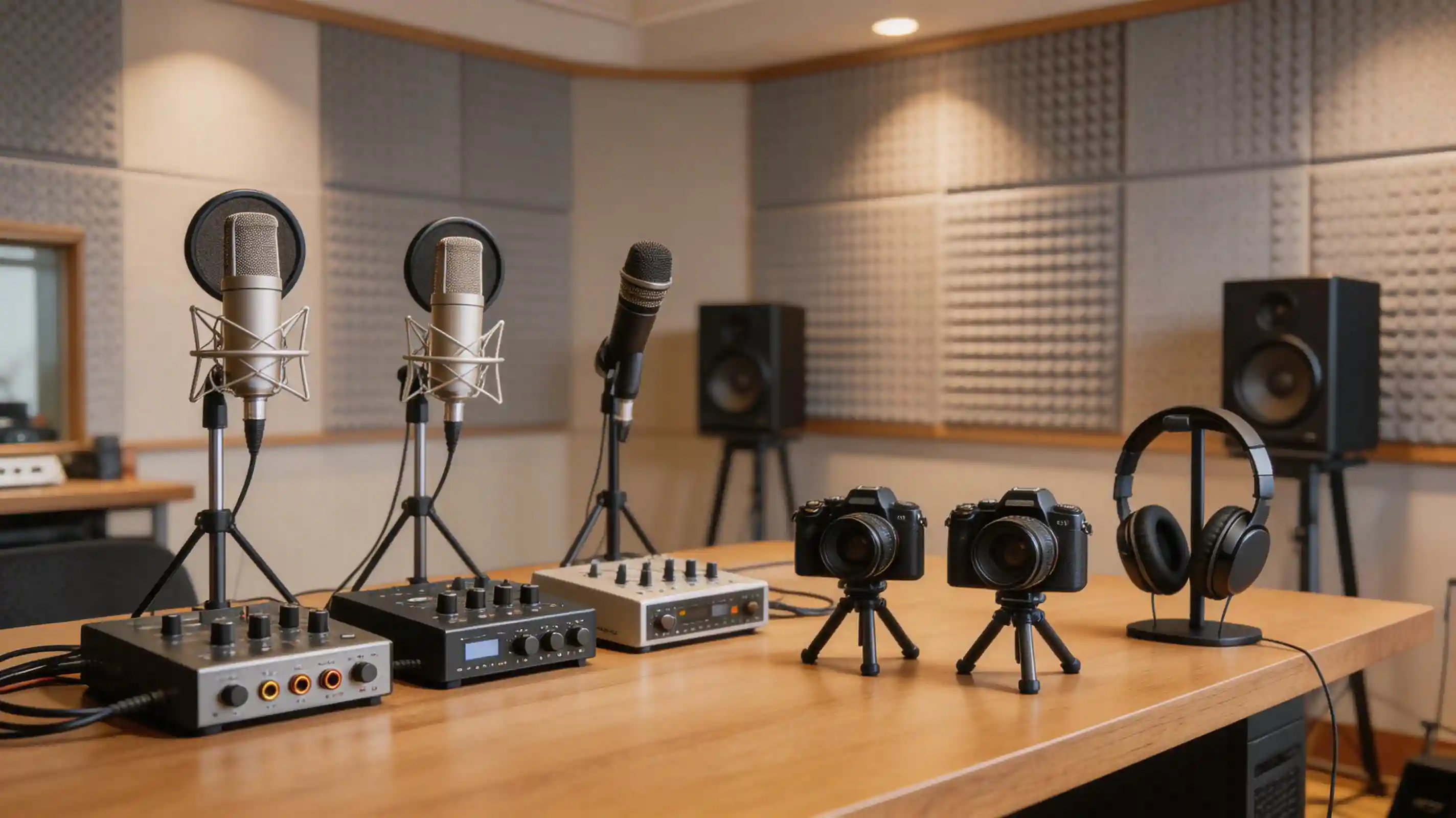
Several trends are shaping the industry:
- Rise of the Creator Economy: The explosion of podcasting, YouTube content, and live streaming has driven demand for affordable, easy-to-use rental packages. Many rental houses now offer preconfigured kits tailored to podcasters or streamers, complete with microphones, audio interfaces, and cameras.
- Hybrid and Remote Production: The COVID-19 pandemic accelerated the need for remote recording solutions. Rental companies responded by offering field kits that enable high-quality capture outside traditional studios, from portable audio recorders to multi-camera live streaming setups.
- Sustainability and Obsolescence: With technology evolving rapidly, renting allows creators to use the latest gear without worrying about depreciation or being stuck with outdated equipment.
- Insurance and Liability: Most reputable rental providers require renters to carry insurance or purchase damage waivers. Understanding these requirements is essential to avoid unexpected costs.
Comparing Popular Rental Equipment Categories
| Category | Example Equipment | Typical Rental Duration | Ideal For | Key Advantages | Potential Challenges |
|---|
| Audio Recording | Zoom F6 / H6, Sound Devices MixPre, Shure SM7B, Sennheiser MKH 416 | Daily / Weekly | Podcasts, voiceovers, field recording, music demos | Professional sound quality; access to specialized mics; lightweight and portable | Requires knowledge of audio gain staging and mic placement; wind protection needed for outdoor use |
| Video Production | Sony FX6 / FX9, Canon C70, RED Komodo, Blackmagic Pocket Cinema, DJI Ronin gimbals | Daily / Weekly | Short films, documentaries, music videos, commercials | Cinema‑grade image; interchangeable lenses; stabilization and support gear | Steep learning curve; insurance often mandatory; multiple accessories (batteries, media) add complexity |
| Lighting | Aputure / ARRI LED panels, Softboxes, C‑stands, Gels | Daily / Weekly | Interviews, narrative lighting, product photography | Control over color temperature and intensity; portable LED options | Bulky to transport; requires power management (batteries or AC); diffusion and grip gear often needed |
| Streaming & Live Production | Elgato Stream Deck, Blackmagic ATEM Mini, Sony ZV‑1 / Canon XA series, RØDE Wireless GO II | Weekly / Monthly | Live streaming, webinars, corporate events, online courses | Easy setup with consumer‑friendly interfaces; software integration; compact form factors | May lack advanced broadcast features; reliability under extended use can vary |
| Specialty Kits | 360° cameras (Insta360), underwater housings, drone packages (DJI Inspire) | Daily / Weekly | Immersive content, adventure filmmaking, aerial shots | Access to niche gear without large investment | Requires specialized knowledge; often higher insurance requirements |
Practical Solutions for Renting Recording Equipment
1. Define Your Project Requirements
Start by creating a detailed equipment list based on your creative goals. Ask yourself:
- What is the primary medium? Audio‑only (podcast, music) or audiovisual (interview, narrative, live stream)?
- What is the shooting/recording environment? Studio, controlled indoor, or unpredictable outdoor?
- How many subjects/talent? Single host, multi‑person interview, band?
- What is the final delivery format? Broadcast, web, social media?
For example, a documentary filmmaker planning a run‑and‑gun shoot in remote locations should prioritize a field recording kit with durable, battery‑powered gear (e.g., a Zoom F6 recorder, Sennheiser wireless lavs, and a lightweight shotgun mic). In contrast, a studio‑based podcast might only need a podcast rental kit (Shure SM7B, Focusrite interface, closed‑back headphones). Consulting with rental company staff can also help you refine your list—they often know which combinations work best together.
2. Research and Select a Rental Provider
When evaluating rental companies, consider the following:
- Reputation and Reviews: Look for companies with consistent positive feedback regarding gear condition, customer service, and shipping reliability.
- Inventory and Specialization: Some providers focus on cinema gear (e.g., Lensrentals), others on audio (e.g., Trew Audio, Gotham Sound), while generalists offer a broad range. Choose one that aligns with your needs.
- Pricing and Policies: Compare daily, weekly, and monthly rates. Many companies offer discounted weekly rates (often 3–4× the daily rate). Pay close attention to insurance requirements, damage waivers, and late return fees.
- Shipping and Logistics: If you’re not in a major metro area, confirm shipping times and costs. Some companies offer free shipping over a certain amount. For time‑sensitive projects, consider local pickup to avoid transit delays.
- Technical Support: Inquire about pre‑ and post‑rental support. Good rental houses provide phone or chat assistance to help with setup and troubleshooting.
3. Budgeting and Cost Management
Rental costs can add up quickly, so plan your budget carefully:
- Bundle Packages: Many providers offer discounted packages (e.g., “podcast starter kit” or “run‑and‑gun documentary package”) that are cheaper than renting items individually.
- Off‑Peak Discounts: Rates may be lower during weekdays or slow seasons. If your schedule is flexible, ask about availability.
- Insurance: If you don’t have your own equipment insurance, you’ll likely need to purchase a damage waiver (typically 5–10% of the item’s value) or provide a certificate of liability. Factor this into your total cost.
- Ancillary Expenses: Don’t forget taxes, shipping, and any additional media (memory cards, external drives) you may need to purchase separately.
4. Preparing for Rental
Once you’ve booked your gear, take these steps to ensure a smooth experience:
- Test Everything Immediately: Upon receiving the equipment (or at pickup), test every item. Verify that all cables, batteries, and accessories are included and functioning. Report any issues right away.
- Familiarize Yourself: If you’re using unfamiliar gear, download manuals or watch tutorial videos in advance. Some rental companies offer online guides or quick‑start cards.
- Plan for Redundancy: Especially for critical shoots, consider renting backup items (e.g., an extra microphone, a second camera body) if the budget allows. It’s cheaper than a reshoot.
- Return Logistics: Pack items carefully in the original cases, using the same padding. Return on time to avoid late fees, and obtain a return receipt or tracking confirmation.
Actionable Recommendations
- Book Early: Popular gear (especially new releases or high‑demand items like the Sony FX6 or Shure SM7B) can be booked weeks in advance. Secure your reservation as soon as your dates are firm.
- Leverage Local Communities: Platforms like ShareGrid allow peer‑to‑peer rentals, often at lower rates than commercial houses, but vet the owner and gear condition carefully.
- Consider Long‑Term Rentals: If your project spans several weeks, a monthly rental can be more economical than weekly extensions. Some companies also offer lease‑to‑own options.
- Build Relationships: If you rent frequently, establish an account with one or two trusted providers. Repeat customers may receive priority booking, discounts, or waived fees.
- Stay Informed: Follow rental company blogs or newsletters to learn about new gear arrivals and industry trends.
By following these strategies, you can harness the power of recording equipment rental services to achieve professional production value—whether you’re recording a podcast in your home office, filming a documentary in the field, or live streaming a concert. The flexibility and access that rentals provide allow you to focus on creativity, not capital investment.
